

How It All Began
Following the 1938 reconstruction of the Choctaw Capitol Building (originally built in 1884), the first “Annual Iksa Meeting” or “Choctaw Educational Iksa” began. The meeting honored the history of the Choctaw Chiefs stretching back to the leaders of the Skullyville and Doaksville Constitutions (1857 and 1860). Developments to the Council grounds led to regular church services, community singing events, and other offshoots, and by 1941, the Capitol building was described explicitly as a community center. In 1942, the Iksa Meeting, held in May, was moved to October to coincide with the 2nd Annual Choctaw Indian Fair, which had begun the previous year. Due to the American war effort being in full swing, the presence of grand pageantry was toned down, and it was the last meeting until after the war. By 1948, the "Choctaw-Chickasaw Labor Day Meet" was held alongside Chickasaw Governor Floyd Maytubby. It was also the year that talks happened about making the meeting a weekend-long event. Eventually, the festival name was shortened to reference only the Choctaw Nation, likely due to the Chickasaws creating their own festival.
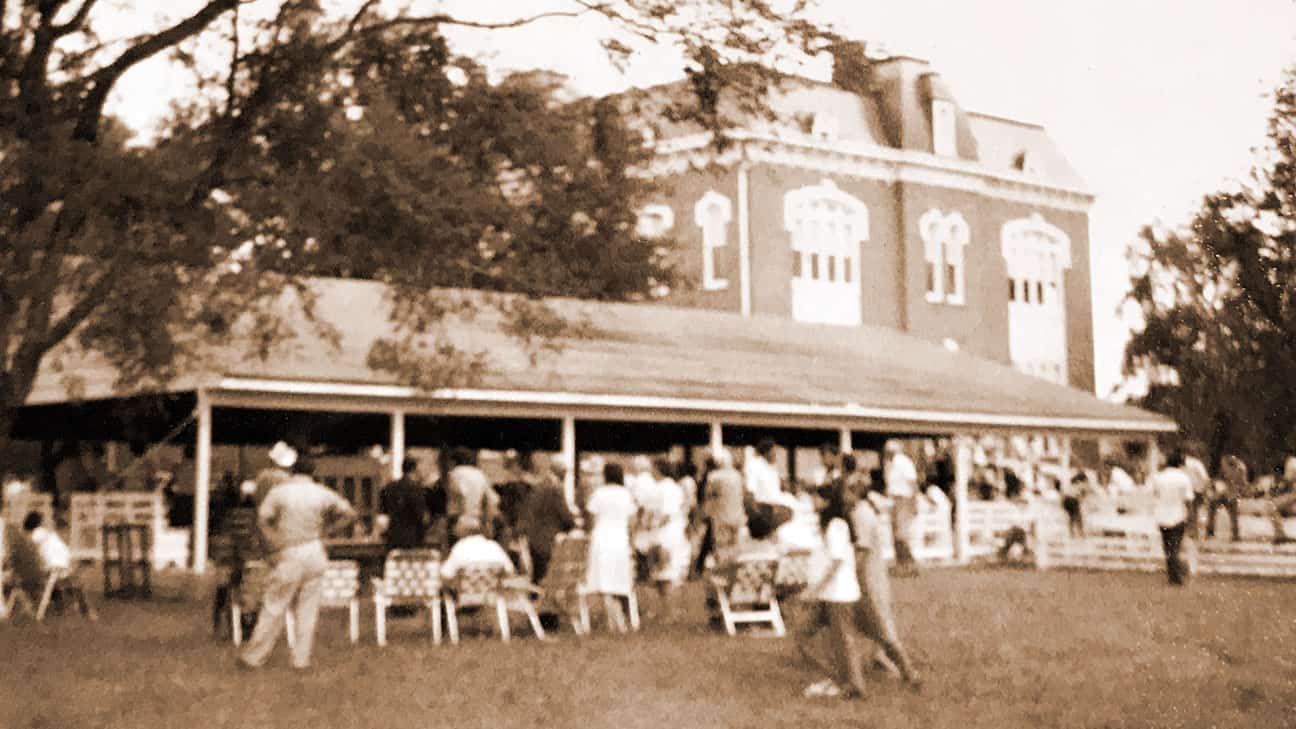
Tribal Grounds and Festival Growth
With each successive administration, the festival grew and the grounds have radically improved, with many acres converted specifically for public use during events. The festival paused during World War II and the COVID-19 pandemic but was able to pick back up and continue to grow.
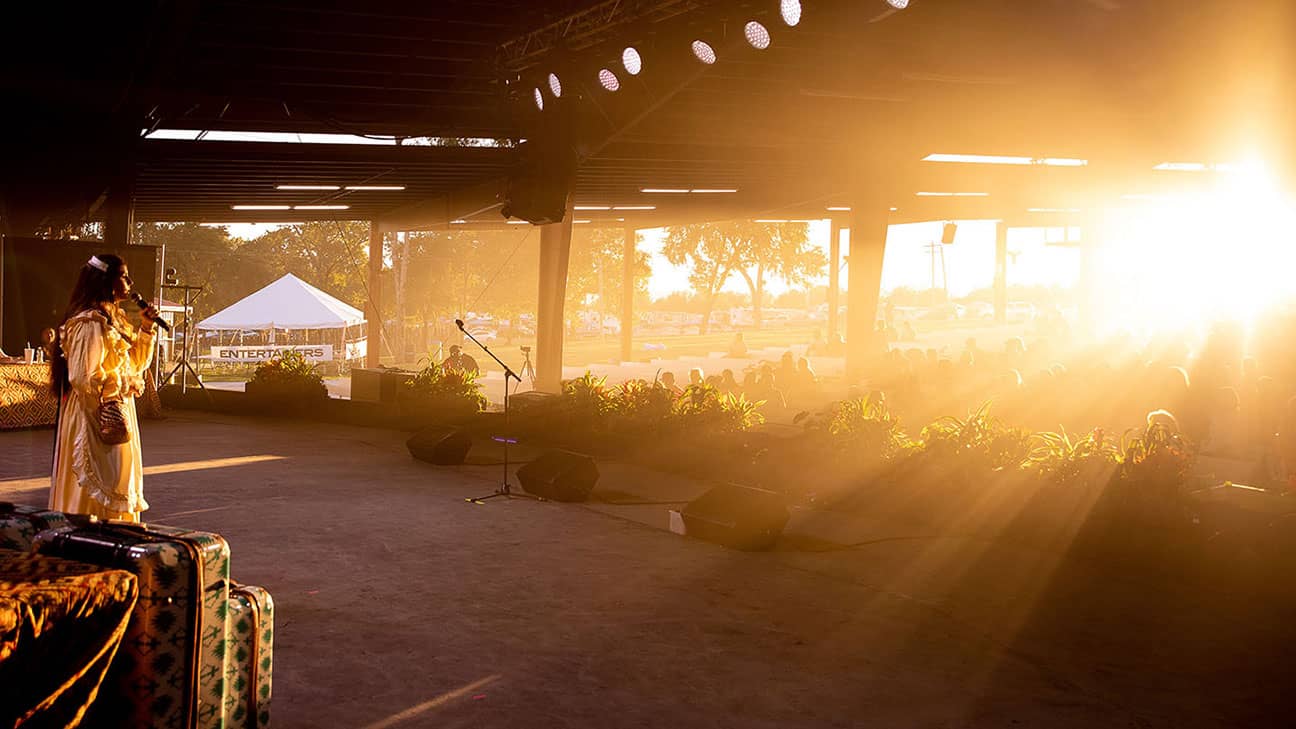
Faith, Family and Culture…The Chahta Spirit Continues
With gratitude to our Choctaw ancestors, we can continue to appreciate the efforts of those who made sure that the Capitol building and grounds were passed down to future generations. Through their selfless contributions, they created a place where Choctaws worldwide have gathered, visited, and fellowshipped with one another for decades, celebrating the beautiful culture and rich history of the Choctaw people.